
Everyone wants to be healthy. Being healthy means more than not
being sick – it means having the energy to enjoy life. It means being
physically and mentally able to deal with most of the curve balls life
throws. Being healthy lets us live life to the fullest. Who'd want to
miss out on that?
 Drink water :
This surprisingly obvious health tip has popped up frequently in recent
years, and for good reason. Many people in the United States are living
in a state of constant dehydration. One study found over 50% of women
were chronically dehydrated. Unfortunately, as often as this advice has
been given, not enough people are following it.
Drink water :
This surprisingly obvious health tip has popped up frequently in recent
years, and for good reason. Many people in the United States are living
in a state of constant dehydration. One study found over 50% of women
were chronically dehydrated. Unfortunately, as often as this advice has
been given, not enough people are following it.
 The
idea that healthy food should be tasteless is thoroughly outdated. It
comes from the middle of the 1800s when doctors thought that some types
of illness was caused by people being 'over-stimulated'. So they made
everything medical as dull as possible, and deliberately created the
most tasteless possible goop to sell as 'health food.' Take a calendar
check here – this idea goes back to before doctors knew that germs
caused disease. Isn't it time to get rid of it? Who wants to eat food
two centuries out of date?
The
idea that healthy food should be tasteless is thoroughly outdated. It
comes from the middle of the 1800s when doctors thought that some types
of illness was caused by people being 'over-stimulated'. So they made
everything medical as dull as possible, and deliberately created the
most tasteless possible goop to sell as 'health food.' Take a calendar
check here – this idea goes back to before doctors knew that germs
caused disease. Isn't it time to get rid of it? Who wants to eat food
two centuries out of date?
 Try
an experiment next time you eat. Chew eat bite 20 times before
swallowing. You'll find some surprising results. Chewing longer helps
you digest the food better, so you use less energy absorbing it and get
more nutrition out of it. Eating more slowly gives your body time to
process the food and realize how much you have eaten. It takes your body
several minutes to realize it is full, so every time you eat there is
some food that you don't need to eat. You don't realize this, because
you don't know you are full. Eating more slowly means you eat less extra
food.
Try
an experiment next time you eat. Chew eat bite 20 times before
swallowing. You'll find some surprising results. Chewing longer helps
you digest the food better, so you use less energy absorbing it and get
more nutrition out of it. Eating more slowly gives your body time to
process the food and realize how much you have eaten. It takes your body
several minutes to realize it is full, so every time you eat there is
some food that you don't need to eat. You don't realize this, because
you don't know you are full. Eating more slowly means you eat less extra
food.

Unfortunately, health is not guaranteed,
it is something we have to work for. Even the most careful person can
get sick, end up in a car accident or otherwise lose their health. Even
when disaster doesn't happen, the ongoing stresses of life can wear our
health down. It takes daily action to support and reinforce our health
and well being.
Luckily, staying (or getting) healthy
doesn't necessarily take a lot of work. For people who are not dealing
with severe illness, a few simple steps can really improve day-to-day
health. For those who are ill, these little things won't bring a magic
cure, but they can strengthen your mind and body to better fight back
against your illness. All it takes is a few minutes a day and a
commitment.
This is a brief guide to being healthy.
There is far more information available on health than can be fit in a
single website. Use this guide as an introduction and a way to get
started. If what you find here is enough to get you the level of health
you want, use it and enjoy the results! If not, don't be discouraged,
from this starting point you can go a lot further with time and
research.
You will find three general topics in this
guide – health tips, healthy eating, and diet plan. Health tips is a
collection of simple things you can do every day to make a difference in
your health. Healthy eating introduces the some of the basics of a
healthy diet that most nutrition articles don't talk about. Diet plan
offers some thoughts and ideas on designing a diet plan, if your weight
is impacting your health. These three topics provide a good introduction
to what you need to know to get and stay healthy.
Health Tips
Contrary to popular belief, you don't need
to make major life changes to improve your health. Small things, taking
just a few minutes each day, can make a big difference. In this
section, you will find several suggestions for small changes you can
make that have a big impact on your health.
You don't need start doing all these
things at once. You want to make these small changes into habits that
you don't need to think about. Start with the one that will be easiest
for you to add to your day. Once that change has become a routine you
don't need to think about, try adding another. This way you aren't
trying to remember several new things at the same time. Remember, this
is about making small changes. And even you only follow one of these
health tips, you'll still be making yourself healthier.
Drink water :
This surprisingly obvious health tip has popped up frequently in recent
years, and for good reason. Many people in the United States are living
in a state of constant dehydration. One study found over 50% of women
were chronically dehydrated. Unfortunately, as often as this advice has
been given, not enough people are following it.
How can you tell if you are drinking
enough water? Don't waste your time counting how many cups of water you
drink each day. None of the medical authorities can agree on how much
water any given person needs. This is because we are all different, and
are bodies all need different amounts of water. The trick to telling if
you are dehydrated is to stop worrying about the numbers, and start
paying attention to how you feel.
If you frequently feel like your mouth is
dry, if your skin tends to be dry and itchy, and if your lips chap
easily, you are probably dehydrated. Another clue is in how you drink.
If you pick up a glass of water and can comfortably take a sip and put
it back down, you are not dehydrated. If you need to take several large
swallows before you put a glass down, you probably are.
Make sure you drink water, not sugar
drinks, tea or coffee, several times a day. Many non-water beverages
(like tea and alcohol) can actually make you dehydrated.
Get Some Sun:
Sunlight is crucial for both our mental and physical health. Not
getting enough sunlight can lead to depression. It weakens the immune
system and can even increase your chances of osteoporosis. It's
important to get a little bit of sun each day.
Now, a little bit of sun doesn't mean
setting out a lawn chair and baking for several hours. It means sitting
one your front porch while you drink a cup of coffee in the morning or
sitting on a bench chatting with a friend for 10 minutes on your break.
10-15 minutes of sunlight and fresh air each day can make a huge
difference in your health.
Try to get your sun in the morning or late
afternoon. Remember the old saying about 'too much of a good thing' and
don't put yourself at risk of skin cancer by over sunning or going out
to often in the heat of the day. The gentle sunlight the hits early and
late in the day will give you the health benefits you want without the
risks.
Change Your Position:
Most of us spend a great deal of the day doing the same thing over and
over again. We sit at desks, we stand in one spot or we walk around,
depending on what our job is. Whatever it is your job has you doing,
take the time every hour to chance your position or your pace. Sit down,
stand up, bend over, jog, run in place, reach up high, something!
Doing the same thing all the time 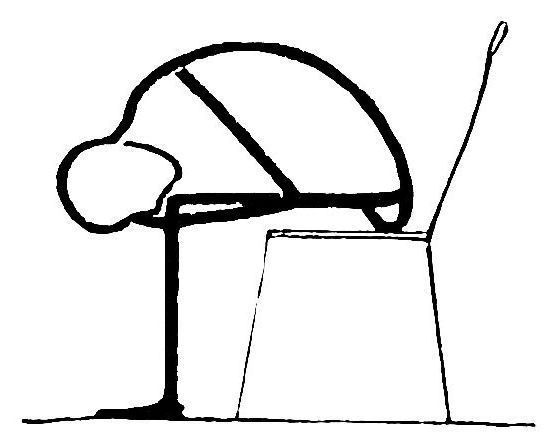 creates
stress on the body, interferes with circulation and generally just
isn't good for you. Not everything is equally bad – standing all day is
better than sitting, because sitting interferes with blood flow. Walking
it better than standing because it keeps the muscles moving and helps
blood flow. But a change is still good no matter what it is you are
doing.
creates
stress on the body, interferes with circulation and generally just
isn't good for you. Not everything is equally bad – standing all day is
better than sitting, because sitting interferes with blood flow. Walking
it better than standing because it keeps the muscles moving and helps
blood flow. But a change is still good no matter what it is you are
doing.
creates
stress on the body, interferes with circulation and generally just
isn't good for you. Not everything is equally bad – standing all day is
better than sitting, because sitting interferes with blood flow. Walking
it better than standing because it keeps the muscles moving and helps
blood flow. But a change is still good no matter what it is you are
doing.
You don't need to take a lot of time or
make a big change. Taking 5 seconds to reach for the ceiling, than bend
over and reach for your toes, can be enough. If you are sitting and
can't stand up, stretch your legs out and try to touch your toes or
place your hands on top of your head and twist your body from side to
side. Doing something small once an hour is enough to start making a
difference in your health.
Healthy Eating
Okay, before everyone's brain's shut down
on an image of tasteless 'good for you' crud, let's examine some
prejudices. Most people today have an idea of 'health food' as been
bland an impossible to enjoy. Therefore, eating healthy becomes a chore
and food stops being what it should be: one of the great pleasures of
life.
The
idea that healthy food should be tasteless is thoroughly outdated. It
comes from the middle of the 1800s when doctors thought that some types
of illness was caused by people being 'over-stimulated'. So they made
everything medical as dull as possible, and deliberately created the
most tasteless possible goop to sell as 'health food.' Take a calendar
check here – this idea goes back to before doctors knew that germs
caused disease. Isn't it time to get rid of it? Who wants to eat food
two centuries out of date?
There is another reason many people assume
healthy food is tasteless or disgusting. In a word: vegetables. We all
grew up with our parents telling up 'eat your vegetables, they are good
for you,' while we desperately tried every trick to avoid swallowing
those disgusting green things.
If you can, try and open your mind enough
for a new concept: vegetables don't have to be bland or disgusting.
There are two reasons why we grew up feeling like there was nothing
worse than vegetables. First, most of our parents didn't know how to
cook them! For many American families, cooking vegetables comes straight
out of the classic English cook book – boiled tasteless. There are a
lot of great ways to prepare veggies, but in a pot of water is usually
not one of them (unless you are making stew!)
The other reason we hated vegetables as
children has to do with our taste buds. Many vegetables are bitter, and
children don't like bitter things. As people grow older, their taste
buds change, and they begin to like bitter flavors more. Which is why
beer and coffee were yuck worthy when you were a child, but may be
really good now.
So, here's a suggestion: when you decide
to start eating healthy, don't see it as forcing yourself to eat boring,
icky, pointless stuff. Instead try and see is as exploring a new
cuisine, the same way you would if you decide to try to learn to cook
Japanese food or French cuisine. Explore recipes, learn techniques, play
with spices and have fun with it.
So just what does healthy eating consist
of? Mostly, a reasonable balance. That's why they call it a 'balanced
diet'. Basically, healthy eating calls for a little bit of everything.
You can think of it in terms of nutrition – a bit of carbs, a bit of
protein, a bit of vitamins and minerals, a bit of fats, a bit of sugars.
You can see it as food instead – some pasta and bread, some meat and
beans, some fruit and vegetables, some oils, some sweets. In China the
approach is balancing flavors – something salty, something sweet,
something savory, something bitter and something sour makes for a
balanced meal too.
Basically
it comes down to variety, the more kinds of things you eat, the more
nutrients you are getting. Plus, the greater variety of food you eat the
less likely you are to get too much of anything (like sugar and fat).
There is one other side to healthy eating –
it's not always what you eat, sometimes it is how you eat it. There are
two things you can do that will make your eating habits a lot
healthier. The first is to eat slowly. The second is to snack. Without
doing anything else these two things can make a big difference in the
health of your diet.
Try
an experiment next time you eat. Chew eat bite 20 times before
swallowing. You'll find some surprising results. Chewing longer helps
you digest the food better, so you use less energy absorbing it and get
more nutrition out of it. Eating more slowly gives your body time to
process the food and realize how much you have eaten. It takes your body
several minutes to realize it is full, so every time you eat there is
some food that you don't need to eat. You don't realize this, because
you don't know you are full. Eating more slowly means you eat less extra
food.
Our bodies are designed to be eating
constantly. They are not designed to eat a few huge meals and then go
hours with out food. In fact, if you go more than four hours without
eating, your body will decide there isn't enough food and you in danger
of starving. Then it will start deliberately packing on pounds. A small
snack every few hours will keep your body from freaking out about the
coming famine. It doesn't have to be a big snack. Grab an apple, munch a
few nuts, or nosh some chips (potato chips are actually very healthy if
you get the low salt kind and don't eat more than a handful at a time).
That's it. Healthy eating in a nut shell.
Now let's take a look at what you can do if you are coming to healthy
eating a bit late, and need to get on a diet plan to get back on the
road to health.
Diet Plan
For most people, 'diet plan' conjures up
images of counting calories, giving up favorite foods and a general
annoyance that pervades all of life. For years diets have based on
denial. Stop eating so much, stop eating this or that thing that is bad
for you, stop eating things cooked this or that way.
To some extant this denial approach is
necessary, if what you have been eating until now has led you to the
point that you need to set up a diet plan, than you need stop eating the
way you have been and start eating a new way. Which means you have to
deny yourself some of the things you are used to eating.
The mistake with the traditional approach
is that it makes denial a lifestyle, and few people can live like that
for long without giving into temptation, which leads to guilt and even
more problems. Denial just doesn't work as a long term strategy.
What does work for a diet plan? Change and
discipline. There is a difference between 'I can never have any cake'
and 'I can have cake on special occasions, but only one slice.' The
first is denial, the second is discipline. Changing your habits – having
only one slice of cake at parties rather then several, having a small
snack rather than a large one, munching on nuts or berries instead of
hard candy, is the basis of a good diet plan. The discipline to stick to
your diet plan is what will make it work.
So how do you build a diet plan?
Start by coming up with a list of small
changes you want to make to the way you eat. Don't go for sweeping
reforms like 'no more sugar' or 'eat a salad every day' unless you are
one of the rare people who do best going cold turkey on a bad habit.
Instead go for things like 'eat 2 salads a week', 'only eat desert twice
a week' or 'only have 1 slice of bacon with breakfast'. These should
things that you can adjust to in a few weeks, or even a few days.
Pick one change to start with. Its up to
you whether you go with the one that will be easiest or hardest, you
know yourself best. Start that change in your diet immediately. It may
be difficult at first and will feel strange for while, but stick with
it. In a short while it will be a normal part of your routine. When that
happens, it's time to make the next change.
By building a diet plan around gradual
changes you create a lifestyle change that can be permanent. Instead of
getting the diet see-saw of losing lots of weight quickly and then
gaining it all back, you will be able to lose weight gradually and keep
it off.
You will get better effect if you combine
this diet plan with an exercise program. This way your body will be
burning more calories while you are changing your eating habits.
However you approach getting healthy and
changing your life, make sure it is something you can live with. You
want to work towards your health while enjoying life as much as
possible. Making yourself miserable rather defeats the purpose, after
all.


 18 July is Nelson Mandela's birthday, and in November 2009, the UN General Assembly declared 18 July